This is the answer I got from ESP:
"It sounds like the L jet is rich. With the engine warmed up and ideling on the stand, you will notice the idle go up if you lean the L jet. After the idle is up from the L jet, you can lower the idle with the idle screw.
the H jet may be lean after that (and 1&1/8th turn is usually too lean), so richen up the H jet after you rough tune the L jet and idle, and re tune it also."
Pretty much what you guys said earlier, but I'll give it a try again.
But I'm not comfortable with the tuning proceedure, it takes so much time and don't give the results that are noted in the tuning manual.
CARB TUNING FOR GAS RC ENGINES
Thank you for buying A ESP engine. This is a guide only. ESP will not be responsible for failures unless it is the fault of ESP workmanship.
Keep in mind that the low speed carb jet screw flows fuel from zero to about 1/3rd throttle opening. The high speed jets starts flowing from about 1/3rd throttle open to full throttle. Both jets flow fuel above 1/3rd throttle.
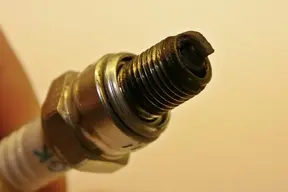
Set the high speed jet at 2 turns out from bottom to start. Set the low speed jet at about 1&½ turns out and set the idle up for easier first time starting. Warm the engine on the stand for a few min, rev the engine on the stand a bit while rough setting the low speed jet and idle, for idle to rev throttle response. Close the low speed too far, and the idle goes up and starts vibrating from a lean condition. Open the low to far and the engine will run rich and die. Stay on the rich side, but make sure throttle response from idle is good. Typically, you will end up with a L jet at 1&1/8th to 1&1/2 out. Continue to rev the engine for a few minutes above half throttle, but not holding it in any one position, to run the engine with the high speed jet flowing. Shut it down, and check the plug color. The plug should be a dark color like a dark brown or black. The rich settings we start with could possibly foul a spark plug, so you might want to have a new plug or two on hand for tuning. This dark plug color is good for now, it means we are getting plenty of fuel–at least on the stand.
The H speed jet is critical, and a RC engine can seize in seconds if the fuel/air mixture is lean at high rpm. Because of this, we creep up on high rpm one run at a time, checking the plug for each higher RPM run.
1. With the H speed screw out 2 full turns, run the buggy 30 seconds at a time at about 8,000 to 9,000 rpm (or where your clutch is just engaged). Keep running the buggy at the low RPM until the plug starts building up some dark color. We will need deposit built up on the plug to burn off for “reading the plug”, when we start leaning out the carb H jet later.
2. The plug should stay dark for the rest of this test, until we start adjusting the H screw more lean after we get to full throttle tests. We are now going to raise RPM approx 1000 rpm for 30 seconds for each run, and check the plug after each run to make sure it is still dark. You should have about 10 increments of 1000 rpm from clutch engagement, to full throttle, but the more increments you use, (less RPM rise for each run), the safer you will be. If, while your doing the runs, and getting higher in the rpm, you start seeing the deposit burning off the plug to a brown or lighter color, you have a problem with your fuel system (bad carb, fuel filters, fuel lines) or a possible air leak that you have to fix before you can continue. You may have just saved your engine from a lean seizure.
3. When you get to 30 sec full throttle runs with a dark plug, now it is time to start leaning out the H jet. After a full throttle run, check the plug, and it should still be dark with the H screw 2 full turns out. Turn in the screw 1/16th at a time, and continue doing full throttle runs, plug checks, and H screw carb adjustments, until the plug is a brown paper bag color. Do one or two full throttle runs to make sure the plug does not get any lighter. Then fine tune the low speed jet for the best hole shot, and your done. It is a good idea to write down the amount of turns you are at when done, for a reference.
Note, many carb bolts are too long. If your long carb bolts (that hold on the filter, and go through the carb, into the intake manifold), reach all the way through your intake manifold, you will have to shorten the bolts, or risk a damaged cylinder and air leak, possibly seizing the engine.
To help insure you don’t seize your engine due to a carb failure or clogged fuel filters, etc (something other than your set screws), it is a good idea to do a few increments and plug checks every time you take out the machine. Jet richer on cold days, and always re jet for any modification you may make. There is no such thing as “stock settings”, jet it yourself from scratch, or risk seizing the engine





 Just enjoy it :w00t:
What If I''m running it to lean and the engine locks up