
If you buy a new clutch bell or clutch

This site may earn a commission from merchant affiliate
links, including eBay, Amazon, and others.

Z.hb71

Well-Known Member
Build Thread Contributor
Messages
19,475
Reaction score
27,691
So I thought I would put this out there, when you buy a new clutch bell and or a clutch, make sure to clean the inside of the clutch bell or if you bought a new clutch clean the pads, I suggest cleaning it with rubbing alcohol or brake cleaner, I say this because when they were being made, they most likely had some sort of probably had some sort of a protective oil on it to keep it from rusting, so you obviously do not want this on yer clutch other wise it will slip. Call me ocd or whatever but this is just what I do, take it for what it is ?
 
When i got my hpi i changed the clutch and bell i didnt do any cleaning? the way i see it any oil may last for 2-5 mins if that and will be brunt off? when i was changing the clutch i cheeped out and bought clone clutch shoes??
Ran my hpi max 10 tanks and the shoes are 80% done ? what dose @mark35 call them "coal dust clutch" too feking right? ill never buy that again
 
When i got my hpi i changed the clutch and bell i didnt do any cleaning? the way i see it any oil may last for 2-5 mins if that and will be brunt off? when i was changing the clutch i cheeped out and bought clone clutch shoes??
Ran my hpi max 10 tanks and the shoes are 80% done ? what dose @mark35 call them "coal dust clutch" too feking right? ill never buy that again
Well it might not be a noticable difference. I don't know, it's just something I do. Maybe yours didn't have the oil on it? I don't know, anyways, yeah them clone clutches are total ass, don't last for nothing.
 
I hit my TR clutch bell with come carb cleaner when I first got it, just to be safe. I'm running a Lauterbacher clutch with the teflon shoes, so I just hit the shoes with some 90% isopropyl alcohol to clean them a little . But I was concerned about any burnt oil working into the shoes from the inside of the bell, hence the initial cleaning.

Not sure if it would have made any difference, but it gave peace of mind. I've run the absolute piss out of that clutch, and it's only showing the barest signs of wear, so I have no regrets for the time taken to clean everything up prior to installation.

It may be down to the way you have eaz the throttle on with an hpi to get it to go
Don't have any idea what you mean here, Doug. I don't ease poop on my HPI! She's all kinds of WOT every run!
 
This is the same principal as doing rotors on a car. They need to be cleaned to get the coating off. This is kinnnnnnda the same pulled from Napa. Rotors that have been resurfaced will have metal shavings attached that must be removed in order for the new brake pads to work properly and quietly. Using dish soap (like Dawn) and warm water is the simplest, cheapest and most effective way to flush away the metal particles and remove any traces of solvent residue. Products like brake cleaning solvents tend to evaporate too quickly and will leave behind some of the critical contaminants. New rotors typically do not have the same issue with metal particles left after machining, but they still need to be washed. Some new rotors are coated with a rust preventative material that is difficult to remove with soap and water. It is best removed with BrakeKleen or a similar product that will break down the coating and clean the surface. You then can wash the rotor with soap and warm water to remove any unwanted contaminants that remain. Benefits: • Clean rotors – allow the new friction material to seat properly. • Friction is free of ferrous metal – there will be no problems caused by metal particle contamination. DO wash new or resurfaced brake rotors BEFORE installing them. DON’T assume solvent based products will remove all contamination that can interfere with braking performance. NEVER install a newly resurfaced rotor straight from the lathe. Also, never allow brake pads to come in contact with a newly turned rotor, when an on-car lathe is used, until it is properly cleaned. I have seen some guys use sandpaper as a replacement for a Lathe on our clutch drums so take this article as you see fit same difference..
 
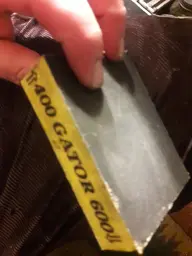
Maybe im the only one that does this but I usually take a piece of really fine sandpaper or a sanding block (450 grit or higher) and just lightly rough up the clutch bell. Usually get that oil off and roughs it up. Helps avoid glazing over and deffinetly aids in the clutch engagement until it wears in on its own. Reccomend a small 600 grit sanding block personally like in the pic.
 

Attachments

  • 20190730_035221.webp
    20190730_035221.webp
    32.5 KB · Views: 1
Thought about it? but then I'd be replacing clutch bells ......zen clutch shoes cost less to replace ??
I've been running an FS clutch in a Vertigo clutch bell on a 5ive for nearly a year now. Both have a ton of life left in them and not even considering replacing any time soon. Took some some experimenting to get the right spring rate though and they definitely run hotter than normal clutches.
 
Back
Top